Gustav Theodore Holst – The Complete Life, Music, Legacy, and Insights Into the Musical Genius
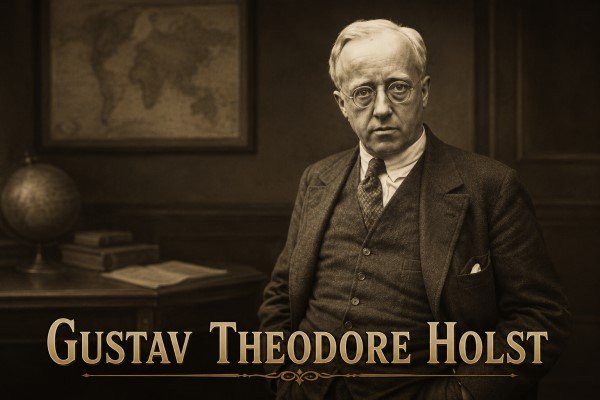
gustav theodore holst is one of the most influential composers in Western classical music. His creative genius brought forward a unique combination of orchestral brilliance, cultural fusion, and emotional depth that continues to inspire musicians and audiences worldwide. Today, he is best known for his epic orchestral suite The Planets and especially the movement famously remembered as Gustav Theodore Holst Jupiter — the embodiment of joy and heroic spirit in musical form.
This article takes a deep journey into the life, career, and lasting impact of Gustav Holst, offering detailed information that educates, inspires, and ranks well on search engines.
Quick Info – Essential Facts About Gustav Theodore Holst
| Attribute | Details |
|---|---|
| Full Name | Gustav Theodore Holst |
| Birth | September 21, 1874 |
| Place of Birth | Cheltenham, England |
| Death | May 25, 1934 |
| Profession | Composer, Music Teacher, Arranger |
| Most Famous Work | The Planets Suite |
| Best‑Known Movement | Gustav Theodore Holst Jupiter |
| Education | Royal College of Music |
| Musical Style | Orchestral, Choral, Band Works |
Early Life and Musical Beginnings
The Birth of a Visionary
Gustav Theodore Holst was born into a musically gifted family in Cheltenham, England. His father was a professional organist and his mother was an accomplished pianist and singer. From the beginning, Holst was surrounded by music.
However, his childhood was not easy. He suffered from asthma and other health challenges, which kept him away from physical play and pushed him into a world of sound and imagination. His strong musical environment helped him start learning piano and violin at an early age.
Discovering the Trombone
Holst’s interest in instruments grew stronger during his early teens. He chose the trombone as his primary instrument, which later opened doors to orchestras and professional music circles.
He worked hard, mastering the trombone and developing a deep understanding of rhythm, structure, and sound — skills that would become foundational for his career as a composer.
Education at the Royal College of Music
Where Talent Met Training
In 1893, Holst joined the Royal College of Music (RCM) in London — a key milestone in his life. His teachers introduced him to advanced music theory, orchestration, and composition.
Here, Holst met Ralph Vaughan Williams, another legendary British composer. Their friendship became a lifelong source of artistic influence. Holst started combining traditional musical forms with fresh ideas and cultural influences, leading to his original musical voice.
Professional Journey – Composer, Teacher, Innovator
Early Struggles and Growth
After graduating, Holst worked as a trombone player in theatrical orchestras. Yet, he soon realized that his passion lay in composition and musical teaching rather than performance. Since income from composing alone was unstable, he began teaching music.
Teacher and Mentor
Holst’s teaching roles included:
- Director of Music at St Paul’s Girls’ School in London
- Music instructor at Morley College
- Lecturer at universities and music institutions
His students remember him as a passionate mentor who not only taught music theory but also inspired creative thinking and musical curiosity.
The Planets – A Musical Milestone
A Journey Beyond the Stars
Gustav Holst’s most celebrated work — The Planets — is a seven‑movement orchestral suite completed between 1914 and 1917.
Unlike scientific astronomy, Holst was inspired by astrology, interpreting each planet as a personality or spiritual force. This artistic choice transformed the suite into something more than music — a vivid emotional experience.
Movements of The Planets
- Mars – The Bringer of War
A powerful and aggressive sound that represents conflict. - Venus – The Bringer of Peace
Serene and calming, evoking surrender and stillness. - Mercury – The Winged Messenger
Light and swift, capturing quick motion and alertness. - Jupiter – The Bringer of Jollity
Joyful, uplifting, and heroic — the most beloved movement.
This movement, often referenced as gustav theodore holst jupiter, is known worldwide and frequently played at orchestral concerts and public ceremonies. - Saturn – The Bringer of Old Age
Slow, dignified, and reflective. - Uranus – The Magician
Innovative and mysterious with bold rhythms. - Neptune – The Mystic
Ethereal and calm, ending the suite with soft mysticism.
The Musical Style and Impact of Holst
Blending Traditions and Innovations
Holst’s music stands out for several reasons:
- Cultural Range: He incorporated elements from English folk music, Sanskrit chants, and non‑Western influences.
- Rhythmic Complexity: His music often used unusual rhythms that enhanced emotional expression.
- Orchestral Color: Holst’s mastery of orchestration gave his compositions deep textures and unique sonic landscapes.
His style was not just technically impressive — it evoked strong emotional experiences, connecting deeply with both musicians and audiences.
Other Works by Gustav Theodore Holst
Although The Planets is his most famous composition, Holst wrote many other important works:
Choral and Vocal Music
- The Hymn of Jesus
- Songs of the West
Instrumental and Orchestral Works
- St Paul’s Suite
- Egdon Heath
- Fantasia on the Dargason
Band and Educational Works
- First Suite in E♭ for Military Band
- Second Suite in F for Military Band
These works reveal Holst’s ability to create not only grand orchestral pieces but also accessible compositions for smaller ensembles and school bands.
Holst’s Philosophy and Exploration
Holst was more than a composer — he was a thinker.
He had a deep interest in:
- Sanskrit poetry and philosophy
- Mythology and symbolism
- Human emotion and spiritual expression
His fascination with astrology reflected his belief that music should not just entertain, but evoke deeper human experiences and universal meaning.
Legacy – Why Gustav Theodore Holst Matters Today
Influence on Music and Culture
Holst’s influence goes beyond classical music:
- His compositions are played worldwide.
- The Planets inspires film scores, including modern sci‑fi soundtracks.
- His teachings shaped future generations of musicians.
- Jupiter remains one of the most performed and celebrated orchestral pieces ever written.
Holst’s work continues to be studied in music schools and admired by both professionals and casual listeners.
Quick FAQs About Gustav Theodore Holst
1. What is gustav theodore holst best known for?
He is best known for his orchestral suite The Planets, especially the uplifting movement Jupiter – The Bringer of Jollity.
2. When and where was he born?
Holst was born on September 21, 1874, in Cheltenham, England.
3. Did Holst write other music besides The Planets?
Yes — many choral, orchestral, instrumental, and band compositions across different styles.
4. Was Holst involved in teaching?
Absolutely. He was a dedicated music teacher with a deep impact on students throughout his life.
5. What inspired The Planets?
Holst was inspired by astrology rather than astronomy. Each movement reflects the imagined emotional personality of a planet.
6. Is Jupiter significant in his work?
Yes. Jupiter is one of the most famous orchestral movements in classical music and a highlight of The Planets suite.
Conclusion
gustav theodore holst was a visionary composer who transformed classical music with his expansive imagination, emotional depth, and technical mastery. From humble beginnings to global recognition, his work continues to resonate with millions.
Whether you are a music student, a classical enthusiast, or a curious reader, Holst’s life and music offer timeless inspiration. His influence will remain permanent in the world of classical music — a legacy built on creativity, courage, and artistic genius.